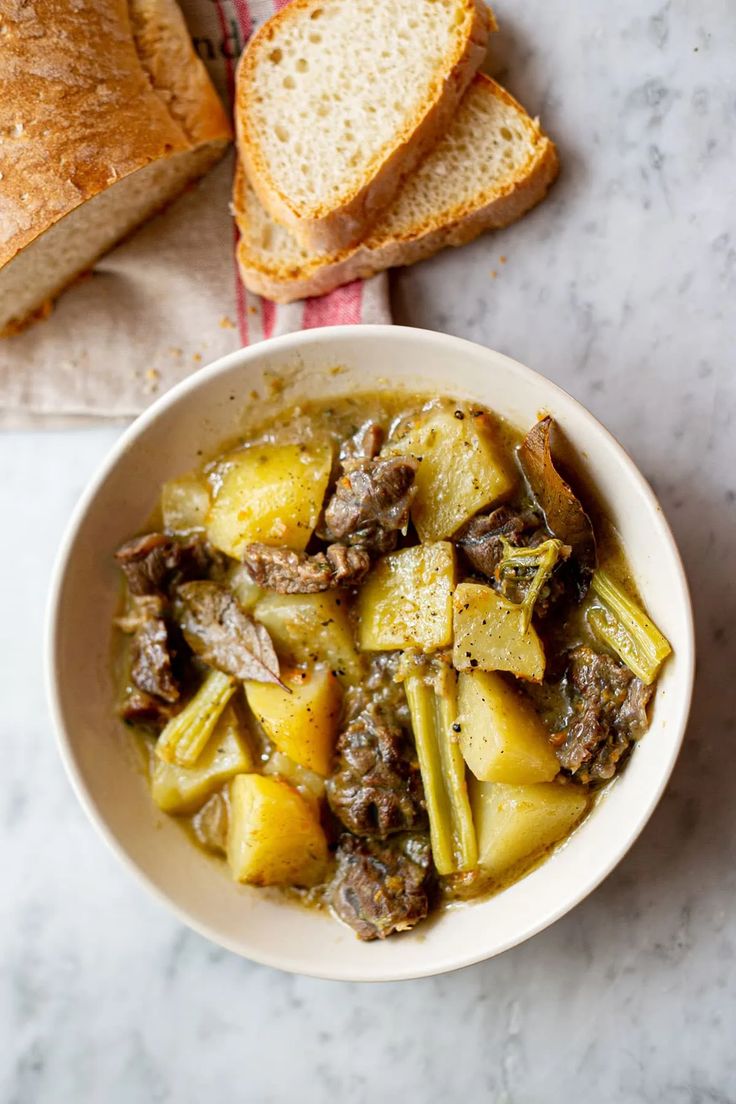
Traditional Italian Beef Stew: A Culinary Embrace from Italy
Imagine stepping into a warm, inviting Italian kitchen, the aroma of slow-cooked goodness filling the air. That's the essence of **Italian beef stew**, a dish known across Italy, but perhaps most famously as *Spezzatino* (pronounced *spehtz-zah-tee-noh*). More than just a meal, Spezzatino is a tradition, a culinary hug from Nonna, designed to gather loved ones around the table. It’s the kind of hearty, stick-to-your-ribs fare that banishes the chill of a winter evening, offering comfort and deep, honest flavors derived from simple, wholesome ingredients.
From the chilly hills of Tuscany, where families have perfected this dish for generations, to Northern Italian tables, Spezzatino stands as a testament to the power of slow cooking. It transforms humble cuts of beef and garden vegetables into something truly extraordinary. This isn't a fancy, elaborate dish; it's authentic, satisfying, and imbued with the kind of love that only time and patience can create in a pot.
What is Spezzatino? Understanding This Hearty Italian Classic
At its core, **Italian beef stew** – or Spezzatino – is a slow-cooked masterpiece crafted from tender chunks of beef, infused with red wine, aromatic herbs, and an abundance of root vegetables. It's renowned for its rich, vibrant tomato-based sauce, which envelops every ingredient in a symphony of flavors. Unlike some more delicate Italian preparations, Spezzatino proudly showcases robust, earthy notes, making it an ideal candidate for those seeking substantial comfort food.
This culinary gem is inherently a one-pot meal, a quality that makes it not only deeply satisfying but also remarkably convenient for family dinners. The beauty of Spezzatino lies in its straightforward nature: take quality ingredients, give them time, and allow their individual characteristics to meld into a harmonious, soul-warming whole. It’s a dish that needs little more than a slice of crusty bread to sop up every last drop of its magnificent sauce and a hungry soul to appreciate its depth. If you're looking for an all-in-one meal that delivers on both flavor and convenience, our
Hearty One-Pot Italian Beef Stew: A Warm Hug from Italy article delves deeper into this aspect.
Crafting Your Authentic Italian Beef Stew: The Spezzatino Method
Creating an authentic Spezzatino is a rewarding experience that, while requiring a bit of upfront preparation, culminates in hours of hands-off simmering. This traditional **Italian beef stew recipe** relies on foundational cooking techniques that build layers of flavor, ensuring every spoonful is rich and satisfying.
Key Ingredients for Success
The soul of any great dish lies in the quality of its ingredients. For Spezzatino, choose wisely:
- Beef: Opt for a good stewing cut like chuck roast, bottom round, or even short ribs. These cuts, rich in connective tissue, break down beautifully during slow cooking, becoming incredibly tender and flavorful.
- Vegetables: Fresh, firm carrots and potatoes are essential. Some recipes also include celery, creating a classic *soffritto* base with the onion.
- Aromatics: A large yellow onion is a must. Garlic, while not always in the most traditional Tuscan Spezzatino, can add another layer of depth if desired.
- Red Wine: Choose a dry, medium-bodied red wine you'd enjoy drinking. Chianti, Montepulciano d'Abruzzo, or even a robust Merlot work wonderfully, contributing acidity and complex fruit notes.
- Broth: High-quality beef broth is preferred, but vegetable broth can also be used. If using canned broth, be mindful of its salt content.
- Herbs & Seasonings: Fresh rosemary sprigs and bay leaves are classic. A touch of dried oregano can also be lovely. Don't forget salt and freshly cracked black pepper.
- Olive Oil: Good quality extra virgin olive oil for browning and sautéing.
- Flour: A light dusting helps create a flavorful crust on the beef and slightly thickens the sauce.
Step-by-Step Guide to a Flawless Spezzatino
Making traditional **Italian beef stew** is a labor of love, but the process is surprisingly straightforward. Here's how to achieve that perfect, tender result:
- Prepare the Beef: Cut your chosen beef into 1.5 to 2-inch chunks. In a shallow bowl, combine a few tablespoons of all-purpose flour with freshly ground black pepper. Add the beef chunks and toss well, ensuring each piece is lightly coated. This coating helps create a beautiful brown crust and contributes to the stew's texture.
- Browning is Key: Heat 2-3 tablespoons of olive oil in a large, heavy-bottomed pot or Dutch oven over medium-high heat. Working in batches to avoid overcrowding (this is crucial for proper browning), shake off any excess flour from the beef and add it to the hot oil. Brown the beef on all sides until a deep, rich crust forms – about 2-3 minutes per side. Remove the browned beef with a slotted spoon and set aside. Repeat with remaining beef, adding more olive oil if necessary. The browned bits stuck to the bottom of the pan are pure flavor!
- Sauté the Aromatics: Reduce the heat to medium. Add another tablespoon of olive oil to the same pot (if needed), then add your chopped onion. Cook, stirring occasionally and scraping the bottom of the pan with a wooden spoon to release those flavorful browned bits, until the onion is translucent and softened, about 8-10 minutes. If using garlic or celery, add them in the last few minutes.
- Deglaze and Build the Liquid Foundation: Pour in the red wine, scraping up any remaining browned bits from the bottom of the pot. Bring to a gentle simmer and let the wine cook down for a few minutes to allow the alcohol to evaporate. Add the beef broth, a bay leaf, a sprig or two of fresh rosemary, and a pinch of salt (remember to adjust later, especially if using salted broth). Bring the liquid to a boil.
- The Slow Simmer: Return the browned beef and any accumulated juices to the pot. Reduce the heat to the lowest possible setting, ensuring a very gentle simmer. Cover the pot tightly and let it cook. This is where the magic happens. On the stovetop, this will take anywhere from 2 to 4 hours, depending on the cut of beef and your pot. For ultimate convenience, this step is also perfect for a slow cooker or oven (around 220°F / 105°C). For more details on this cooking method, check out our guide on Easy Slow Cooker Italian Beef Stew: The Ultimate Comfort Meal.
- Adding Vegetables: About 45 minutes to 1 hour before the end of the cooking time, add your chopped potatoes and carrots to the stew. Continue to simmer until the vegetables are fork-tender and the beef is melt-in-your-mouth tender. Adding them later prevents them from becoming mushy.
- Final Touches: Remove the bay leaf and rosemary sprigs. Taste and adjust seasoning with additional salt and pepper as needed. If the sauce is too thin, you can uncover the pot and simmer for a bit longer to reduce. If it’s too thick, add a splash more broth.
Tips for the Perfect Spezzatino Every Time
Achieving that authentic, Nonna-approved flavor for your **Italian beef stew** involves a few key considerations:
- Don't Rush Browning: This is arguably the most critical step. A deep, rich sear on the beef creates layers of flavor that simply cannot be replicated.
- Quality Wine Matters: The wine becomes part of the sauce. If you wouldn't drink it, don't cook with it.
- Taste, Taste, Taste: Seasoning throughout the cooking process, particularly after adding liquids and again at the end, is essential for a balanced flavor profile.
- Low and Slow is the Goal: Resist the urge to crank up the heat. A gentle simmer is key to tender beef and a well-developed sauce.
- Make Ahead Advantage: Like many stews, Spezzatino often tastes even better the next day, after the flavors have had a chance to meld further. It’s a fantastic meal to prepare in advance.
- Fresh Herbs for Finish: A sprinkle of fresh parsley or even more fresh rosemary just before serving brightens the dish.
Serving Your Italian Beef Stew: A Complete Meal
Spezzatino is a meal unto itself, but it pairs beautifully with simple accompaniments that allow its rich flavors to shine. The traditional choice is a generous portion of crusty Italian bread, perfect for soaking up every drop of that incredible sauce. Other excellent options include:
- Creamy polenta, a classic Northern Italian pairing.
- Wide, flat pasta like pappardelle or tagliatelle.
- Steamed rice or risotto.
- A simple green salad with a light vinaigrette to cut through the richness.
Conclusion: Embrace the Heart of Italian Comfort Food
The traditional **Italian beef stew**, Spezzatino, is more than just a recipe; it's an experience. It’s the embodiment of Italian hospitality and the joy of simple, honest cooking that warms both body and soul. With its tender beef, sweet vegetables, and deeply flavored sauce, it truly feels like a warm hug from Nonna's kitchen. Whether you're battling a chilly evening or simply craving a taste of authentic Italy, rolling up your sleeves and making a pot of Spezzatino is a journey worth taking. Embrace the process, savor the aromas, and enjoy creating a truly memorable meal that will bring comfort and joy to your table.