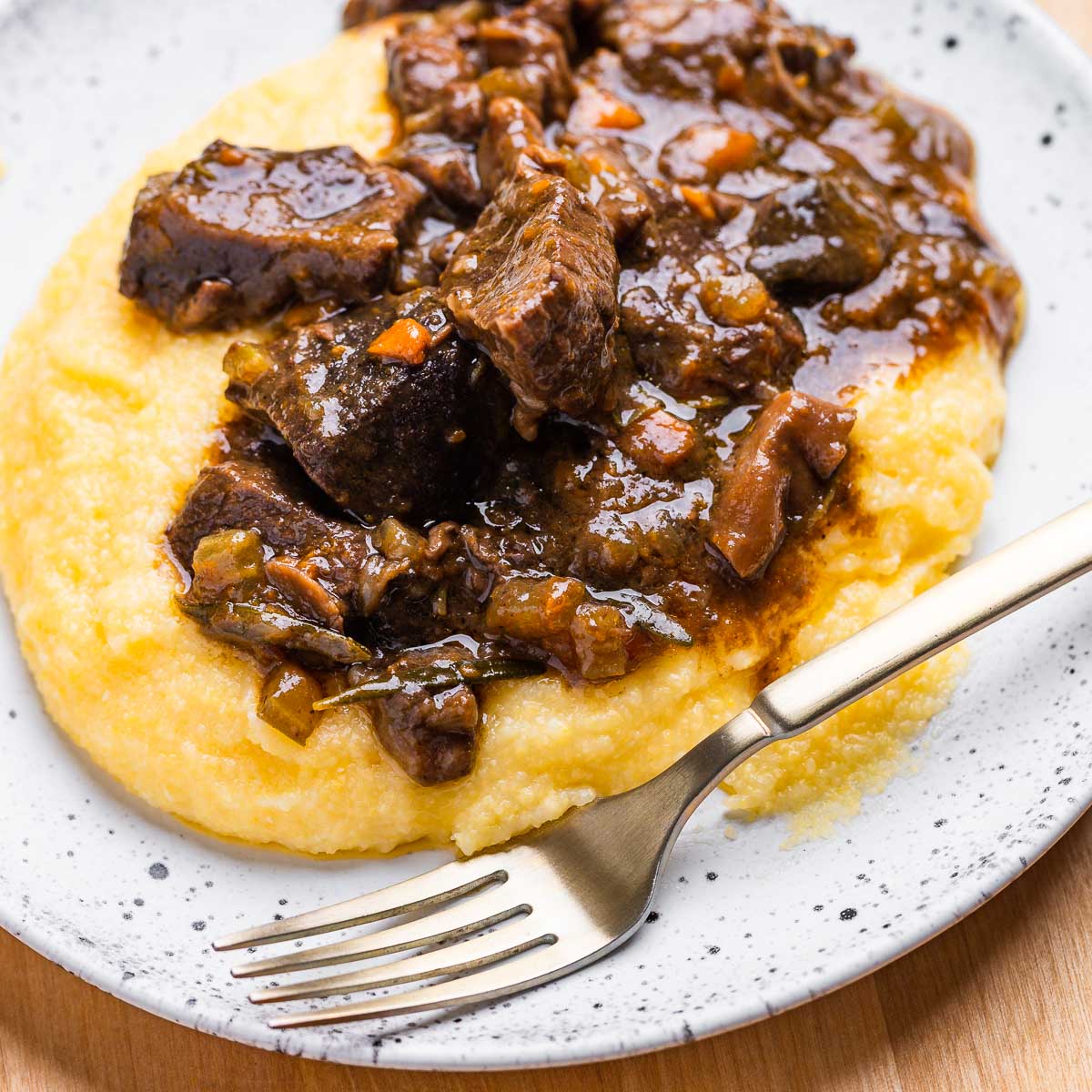
Hearty One-Pot Italian Beef Stew: A Warm Hug from Italy
There are some dishes that transcend mere sustenance, becoming an experience, a memory, a feeling of deep comfort. Italian beef stew, or "Spezzatino" as it's known in Italy, is unequivocally one of them. Imagine a chilly evening, a gentle warmth emanating from your kitchen, and the promise of a meal that feels less like food and more like a loving embrace from Nonna herself. This isn't a fancy, elaborate dish; it's honest, hearty, and designed to gather loved ones around the table, fostering connection and satisfying the soul.
From the sun-drenched hills of Tuscany, where craving stick-to-your-ribs stews from November through March is a way of life, to kitchens worldwide, this traditional Italian beef stew offers a profound sense of home. It’s a slow-cooked masterpiece, transforming simple, wholesome ingredients into something truly extraordinary. Tender chunks of beef, soft potatoes, sweet carrots, and a vibrant, rich tomato-based sauce, infused with local herbs and seasonings, create a symphony of flavors that resonate with generations of Italian culinary heritage.
What Makes Italian Beef Stew So Special? The Essence of Spezzatino
At its heart, Italian beef stew, or
spezzatino (pronounced spehtz-zah-tee-noh), is a celebration of slow cooking and robust, rustic flavors. The term "spezzatino" itself comes from "spezzare," meaning "to break into pieces," referring to the chunks of beef that are gently braised until they become incredibly tender. This dish is the epitome of Italian comfort food – unpretentious, deeply flavorful, and incredibly satisfying.
Unlike some lighter Italian fare, spezzatino is built for substance. It's a stew made from the land, utilizing readily available ingredients that, through the magic of time and gentle heat, develop an unparalleled depth. The star is, of course, the beef, which slowly surrenders its toughness to become fork-tender, absorbing all the aromatic nuances of the sauce. This rich, tomato-based sauce is often bolstered by red wine, giving it a complex, slightly tangy backbone that perfectly complements the meat. Root vegetables like potatoes and carrots aren't just fillers; they become integral components, soaking up the savory liquids and adding their own sweet earthiness to every spoonful. A touch of fresh herbs, often rosemary and bay leaf, weaves through the dish, providing an aromatic lift that makes each bite sing. It’s more than just a meal; it's a testament to the Italian philosophy of savoring simple, honest ingredients cooked with love and patience.
The Magic of One-Pot Cooking: Simplicity Meets Flavor
One of the most appealing aspects of Italian beef stew is its "one-pot" nature. While it requires a bit of active preparation upfront – about 30-40 minutes dedicated to browning the meat and chopping vegetables – the real beauty lies in its hands-off simmering. Once the initial steps are complete, you can essentially set it and forget it, letting time work its delicious magic. This makes it an ideal candidate for busy weeknights or lazy weekends when you want a substantial meal without constant supervision.
The beauty of a one-pot meal is not just in the reduced cleanup, but in the way flavors intermingle and deepen as they cook together. The beef releases its juices, the vegetables soften and release their sugars, and the liquids reduce and intensify, creating a cohesive and harmonious flavor profile that simply can't be achieved with separate cooking methods.
You have several flexible options for cooking your spezzatino:
*
Stovetop: A heavy-bottomed pot, like a Dutch oven, on the lowest heat setting allows for gentle simmering, creating a thick, rich sauce.
*
Oven: Cooking in the oven at a low temperature (around 220°F or 100°C) provides consistent, all-around heat, ensuring even cooking and reducing the risk of scorching.
*
Slow Cooker: For ultimate convenience, the slow cooker is a fantastic choice. After the initial browning, everything goes in, and you can come home to a ready-made, comforting meal. If you're looking for a fuss-free approach, explore our guide on
Easy Slow Cooker Italian Beef Stew: The Ultimate Comfort Meal for specialized tips.
Whichever method you choose, the principle remains the same: slow and low heat, allowing the ingredients to tenderize and meld into a deeply satisfying stew.
Crafting Your Perfect Italian Beef Stew: Tips for Success
Creating a truly memorable Italian beef stew is less about following a rigid recipe and more about understanding the fundamental techniques that build flavor. Here are some key tips to elevate your spezzatino:
Choosing Your Beef
The cut of beef is crucial for a tender stew. Opt for tougher cuts with good marbling that break down beautifully over long cooking times. Excellent choices include:
*
Chuck Roast (Boneless Beef Chuck): This is arguably the best choice. It’s economical, has plenty of connective tissue that breaks down into gelatin, creating a rich, unctuous texture.
*
Beef Round or Rump Roast: Also good options, though they may be slightly leaner and require a bit longer to become truly tender.
* Cut your beef into 1.5 to 2-inch cubes. This size ensures even browning and prevents the meat from falling apart too quickly during the long simmer.
The Art of Browning
Don't skip or rush this step! Browning the beef chunks creates a rich, complex flavor through the Maillard reaction, which caramelizes the natural sugars and amino acids on the surface of the meat.
* Toss the beef cubes lightly in flour and pepper. The flour helps create a beautiful crust and also thickens the stew later.
* Heat a generous amount of olive oil in your heavy-bottomed pot over medium-high heat.
* Brown the beef in batches, ensuring not to overcrowd the pan. Overcrowding lowers the pan temperature, steaming the meat instead of browning it, which prevents that crucial flavor development.
* Remove browned beef with a slotted spoon and set aside.
The Flavor Foundation
This is where the aromatic base of your stew comes to life.
* After browning the beef, add finely chopped onions (and ideally, a few cloves of minced garlic) to the same pan. If needed, add a little more olive oil.
* Cook the onions until they are translucent and soft, scraping up any browned bits (fond) from the bottom of the pan. This fond is packed with flavor and will dissolve into your sauce.
* Deglaze the pan with red wine. A dry red wine like Chianti, Merlot, or Cabernet Sauvignon works beautifully. The wine adds acidity, depth, and helps loosen any remaining flavorful bits from the bottom of the pot. Let it simmer for a few minutes to cook off the alcohol.
* Add in good quality beef broth, a bay leaf, and a sprig of fresh rosemary. If using canned broth, reduce any added salt initially and taste later.
Root Vegetables: The Hearty Companions
Potatoes and carrots are the classic additions, providing texture, sweetness, and heartiness.
* Clean and cut your potatoes and carrots into substantial chunks (1-2 inches). This prevents them from turning to mush during the long cooking time.
* Timing is key: Add the vegetables during the last hour or so of cooking to ensure they are tender but still hold their shape. If added too early, they can become overly soft.
Slow and Low
Patience is a virtue when making spezzatino.
* Return the browned beef and any accumulated juices to the pot.
* Bring the liquid to a gentle boil, then immediately reduce the heat to the absolute lowest setting possible.
* Cover the pot tightly and let it simmer gently for 2-4 hours, or until the beef is incredibly tender and easily pulls apart with a fork. The exact time will depend on the cut of beef and your specific cooking method.
* If using an oven, set it to a low temperature like 220°F (100°C).
* In a slow cooker, cook on low for 6-8 hours or high for 3-4 hours.
Finishing Touches
Just before serving, taste and adjust seasonings. A sprinkle of fresh parsley or more fresh rosemary can brighten the flavors and add a beautiful visual appeal.
Beyond the Pot: Serving and Enjoying Your Spezzatino
Once your hearty Italian beef stew has simmered to perfection, it's time to enjoy the fruits of your labor. Spezzatino is a naturally complete meal, needing very little accompaniment. The traditional and most beloved pairing is a generous slice of crusty Italian bread, perfect for soaking up every last drop of that rich, flavorful sauce. The bread becomes a vehicle for pure culinary delight, ensuring no precious drop goes to waste.
Beyond bread, consider serving your spezzatino with:
*
Creamy Polenta: The smooth, buttery texture of polenta provides a wonderful contrast to the robust stew.
*
Pasta: A wide, flat pasta like pappardelle or tagliatelle can also be a delightful bed for this savory stew, allowing the sauce to cling beautifully.
*
A Simple Green Salad: A light, fresh salad dressed with vinaigrette can offer a refreshing counterpoint to the richness of the stew.
And if you happen to find yourself with leftovers – though that's a rare occurrence with a dish this delicious – Italian beef stew makes the backbone of an excellent beef soup. Just thin it with a little more broth, add some small pasta or rice, and you have another comforting meal ready to go. For a deeper dive into making this specific traditional recipe, check out our guide on
Traditional Italian Beef Stew: Authentic Spezzatino Recipe.
This honest, soul-warming Italian beef stew is more than just a dish; it’s an invitation to slow down, to gather, and to savor the simple pleasures of life. It’s the kind of meal that brings warmth not just to your belly, but to your heart.
A Warm Embrace in Every Spoonful
The hearty one-pot Italian beef stew is a timeless classic for a reason. It embodies the essence of Italian home cooking: simple ingredients, slow cooking, and an abundance of flavor and love. Whether you call it spezzatino or just a comforting beef stew, the result is the same – a tender, rich, and deeply satisfying dish that truly feels like a warm hug from Italy. So roll up your sleeves, embrace the process, and prepare to bring a slice of Italian tradition and comfort into your own home. Your taste buds, and your loved ones, will thank you.