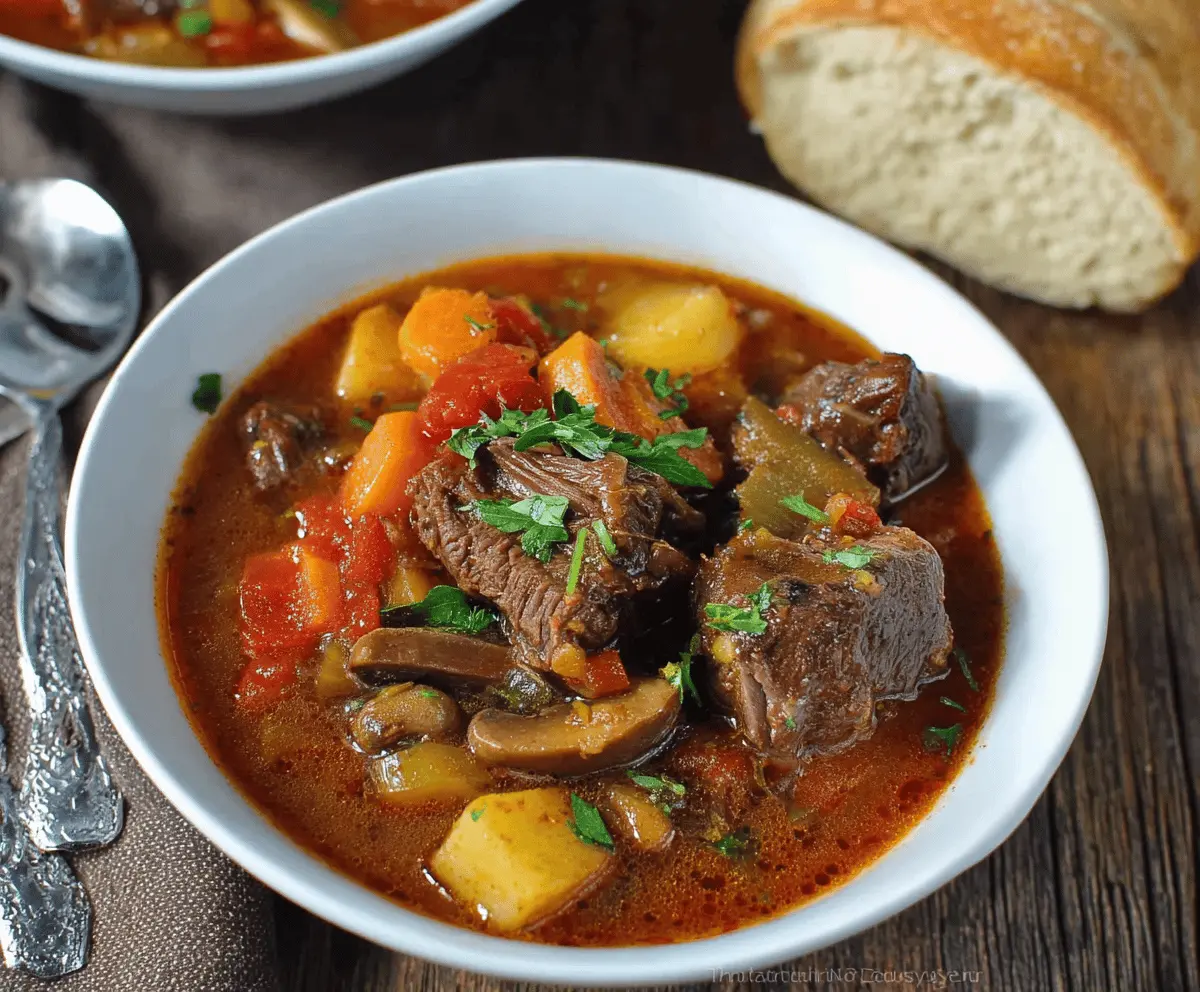
Easy Slow Cooker Italian Beef Stew: The Ultimate Comfort Meal
Imagine coming home after a long day to the rich, tantalizing aroma of a slow-cooked meal filling your kitchen. That's the magic of an authentic Italian beef stew, especially when prepared with the effortless charm of a slow cooker. This isn't just any stew; it's a culinary embrace, a hearty dish known in Italy as spezzatino (pronounced spehtz-zah-tee-noh), that promises to warm you from the inside out and bring everyone happily to the table. It's the kind of meal that feels like a warm hug from Nonna herself, full of love and robust flavor, yet incredibly simple to achieve.
While traditional Traditional Italian Beef Stew: Authentic Spezzatino Recipe often involves hours simmering on the stovetop or in the oven, the slow cooker transforms this beloved classic into an easy, hands-off triumph. Tender chunks of beef, infused with a vibrant tomato-based sauce, sweet carrots, and earthy potatoes, slowly meld together, creating a depth of flavor that's simply unmatched. It's the ultimate stick-to-your-ribs comfort food, perfect for chilly evenings from autumn through early spring, and a testament to how simple ingredients can create something extraordinary.
What Makes Italian Beef Stew So Special? The Heart of Spezzatino
At its core, Italian beef stew, or spezzatino, is a celebration of rustic, wholesome ingredients. Unlike some stews that can be bland, the Italian version boasts a distinctive character thanks to its flavorful profile. Here’s what sets it apart:
- Robust Tomato Base: While beef broth forms the liquid foundation, a generous amount of crushed tomatoes, tomato paste, or even passata, provides that signature tangy sweetness and vibrant color. This isn't just a thickener; it's a key flavor component that beautifully complements the savory beef.
- Aromatic Herbs and Spices: Fresh rosemary and bay leaves are classic additions, infusing the stew with a fragrant, herbaceous aroma that instantly evokes the Italian countryside. A touch of garlic and onion forms the essential flavor base, often sautéed to translucent perfection before the main simmer.
- The Power of Wine: A splash of dry red wine is a game-changer. It adds a layer of complexity and acidity, helping to tenderize the beef and deepen the overall flavor profile. Don't worry, the alcohol cooks off, leaving behind only its rich essence.
- Hearty Root Vegetables: Beyond the star ingredient, beef, you'll find comforting additions like carrots and potatoes. These vegetables not only absorb all the delicious flavors but also contribute their own natural sweetness and texture, making it a complete, satisfying meal in one pot.
- Tender, Fall-Apart Beef: The hallmark of a great Italian beef stew is meat that's so tender it practically melts in your mouth. This is achieved through slow cooking, allowing connective tissues to break down gradually, resulting in an incredibly succulent experience.
It’s a dish that embodies the Italian philosophy of simple, quality ingredients treated with respect, resulting in a dish that truly feeds the soul. For a deeper dive into its traditional preparation, you might enjoy reading about this Hearty One-Pot Italian Beef Stew: A Warm Hug from Italy.
Why the Slow Cooker is Your Best Friend for Italian Beef Stew
While the traditional method of making Italian beef stew involves dedicated time over the stove or in the oven, the slow cooker offers unparalleled convenience without compromising on flavor. In fact, for many, it enhances it!
- Hands-Off Cooking: The biggest advantage of the slow cooker is its "set it and forget it" nature. After a minimal amount of initial prep, you simply add all your ingredients, turn it on, and let it work its magic for several hours. This frees you up to tackle other tasks, enjoy your day, or simply relax, knowing a delicious meal is cooking itself.
- Deepened Flavors: The low and slow cooking environment of a crockpot allows flavors to meld and intensify over time. The longer the stew simmers, the more the beef, vegetables, and aromatic liquids infuse each other, resulting in a richer, more complex taste that's often even better the next day.
- Guaranteed Tenderness: The gentle, consistent heat of a slow cooker is ideal for breaking down tougher cuts of beef, ensuring every piece becomes fork-tender without drying out. This means you can confidently use more budget-friendly cuts and still achieve restaurant-quality results.
- One-Pot Wonder: Minimizing cleanup is always a win! Once the initial browning (which we'll discuss below) is done, everything goes into one pot, simplifying the cooking process and making post-dinner tidying a breeze.
- Perfect for Meal Prep: A large batch of slow cooker Italian beef stew is excellent for meal prepping. It reheats beautifully, and as mentioned, the flavors often improve overnight. Plus, any leftovers make a fantastic base for a hearty beef soup!
For those bustling weekdays or weekend adventures, the slow cooker transforms a traditionally time-intensive dish into an effortlessly elegant meal.
Mastering Your Slow Cooker Italian Beef Stew: Tips for Success
Achieving the perfect slow cooker Italian beef stew is easy with a few key techniques and considerations:
1. Don't Skip the Browning!
This is arguably the most crucial step for maximizing flavor. Even in a slow cooker recipe, browning the beef before adding it to the crockpot creates a rich, caramelized crust through the Maillard reaction. This adds incredible depth and savory notes that simply can't be achieved by throwing raw meat into the pot.
- Flour Power: Lightly dredge your beef chunks in a mixture of flour (or gluten-free alternative) and a generous amount of black pepper. The flour helps create a better crust during browning and contributes to thickening the stew later.
- Hot Pan, Small Batches: Heat 2 tablespoons of olive oil in a large, heavy-bottomed pan over medium-high heat. Brown the beef in batches, ensuring not to overcrowd the pan. Give each piece a couple of minutes per side until deeply golden brown. Remove with a slotted spoon and set aside. Add more oil if needed between batches.
2. Build the Flavor Base
After browning the beef, use the same pan to sauté your aromatics.
- Sauté Onions: Add a tablespoon of olive oil to the pan (if necessary) and cook chopped onions until translucent and softened, scraping up any delicious brown bits (fond) stuck to the bottom of the pan. This fond is packed with flavor and will dissolve into your sauce.
- Garlic and Paste: Stir in minced garlic and a spoonful of tomato paste, cooking for another minute until fragrant. Cooking tomato paste briefly helps to deepen its flavor.
3. Deglaze and Simmer
This is where the liquids come in to lift all those incredible flavors.
- Red Wine Rhapsody: Pour in about ½ to 1 cup of dry red wine (Chianti or Sangiovese would be perfect for an authentic Italian touch). Scrape the bottom of the pan once more, ensuring all those browned bits are incorporated into the liquid. Let it simmer for a few minutes to reduce slightly and cook off the alcohol.
- Into the Slow Cooker: Transfer the browned beef, sautéed onions, garlic, and deglazed liquid to your slow cooker. Add in beef broth (adjusting salt if using canned broth), crushed tomatoes, bay leaf, fresh rosemary sprigs, and a pinch of salt and pepper.
4. Timing for Tender Vegetables
For vegetables that are cooked through but not mushy, consider when you add them.
- Mid-Cook Addition: While some recipes suggest adding everything at once, for firmer vegetables, add chopped carrots and potatoes (or parsnips, celery, bell peppers for variation) during the last 1.5 to 2 hours of cooking on low, or the last hour on high. This ensures they are tender but still retain some texture.
5. The Finishing Touch
Just before serving, taste and adjust seasonings. A sprinkle of fresh parsley or basil brightens the dish and adds a lovely pop of color and freshness. If you like a thicker sauce, you can remove some liquid and whisk in a cornstarch slurry, or simply let the flour from the beef work its magic over time.
Serving Suggestions & Leftovers
This Hearty One-Pot Italian Beef Stew: A Warm Hug from Italy is a complete meal in itself, but it truly shines when served with a few simple accompaniments:
- Crusty Bread: Absolutely essential! A good loaf of artisan bread is perfect for soaking up every last drop of the rich, savory sauce.
- Creamy Polenta: For an extra layer of Italian comfort, serve your stew over a bed of creamy polenta. The soft polenta beautifully complements the tender beef and rich sauce.
- Pasta: A wide, flat pasta like pappardelle or tagliatelle can also be a wonderful base, transforming the stew into a hearty ragu-like dish.
- Simple Green Salad: A light, crisp green salad with a vinaigrette dressing provides a refreshing contrast to the richness of the stew.
And don't forget about leftovers! This Italian beef stew is even better the next day as the flavors continue to develop. It reheats beautifully on the stovetop or in the microwave. As the reference context suggests, any remaining stew can be thinned with a little extra broth to create an excellent beef soup, making it a versatile and economical meal option.
Conclusion
The Easy Slow Cooker Italian Beef Stew is more than just a recipe; it's an invitation to experience the warmth, comfort, and rich culinary heritage of Italy, all from the convenience of your own kitchen. With minimal active effort, you can create a truly exceptional meal that boasts tender beef, vibrant flavors, and the kind of comforting goodness that instantly feels like home. So, gather your simple ingredients, dust off your slow cooker, and prepare to indulge in a dish that will quickly become a cherished family favorite.
